Introduction
When it comes to the interesting globe of serpents, few types capture the creative imagination quite like the infant tiger snake. Recognized for their distinct coloration and potent poison, these snakes are an essential part of Australia's distinct ecosystem. In this comprehensive short article, we will delve into numerous elements of child tiger serpents, including their behavior, environment, and just how to safely interact with them. Whether you're a wild animals lover or simply curious concerning these animals, recognizing infant tiger snakes can assist cultivate a deeper gratitude for nature.
Baby Tiger Snakes: What You Need to Understand About Their Behavior and Habitat
What Are Infant Tiger Snakes?
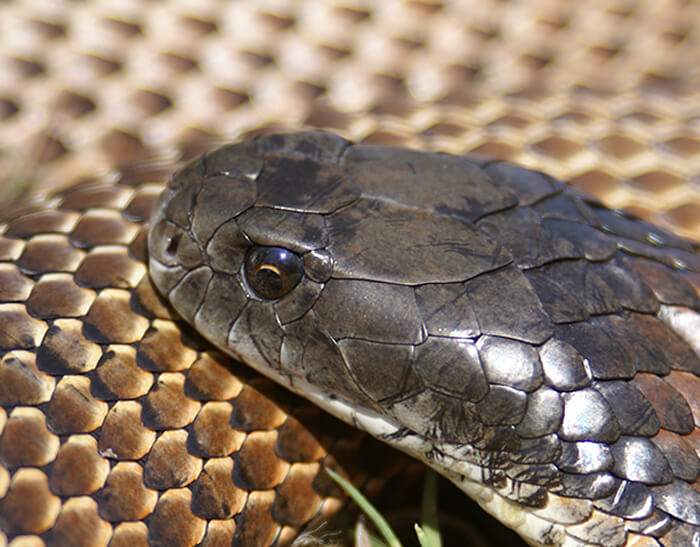
Baby tiger serpents are juvenile forms of the extremely poisonous varieties known scientifically as Notechis scutatus These snakes are largely discovered in coastal areas of Australia, specifically in Tasmania and southern Victoria. As they expand, their coloration adjustments from an extra low-key scheme to the characteristic yellow and black bands that provide their name.
One remarkable element of infant tiger snakes is their dimension; hatchlings commonly measure around 25-30 centimeters in length. Despite their tiny stature, they have a surprising quantity of venom that can be detrimental to people if bitten.
Physical Characteristics
Tiger serpents possess several essential physical qualities:
- Coloration: The distinct banding pattern typically becomes more obvious as they mature. Size: Grownups can get to lengths of approximately 2 meters. Body Shape: They have a durable body that assists in swimming and terrestrial movement.
Where Do Infant Tiger Snakes Live? Recognizing Their Habitat
Understanding the habitat choices of infant tiger snakes is vital for both preservation initiatives and public safety and security. These snakes flourish in different settings:

- Wetlands: Marshes and swamps supply adequate searching grounds. Coastal Regions: Frequently located near beaches where they can quest for prey. Woodlands: Dense greenery supplies cover from predators.
Geographical Distribution
Tiger snakes are predominantly discovered along Australia's southern coast, consisting of:
- Tasmania: Home to among one of the most well-known populations. Victoria: Especially in areas near water bodies.
Are Tiger Snakes Venomous? A Deep Study Their Venom
One common question develops when discussing baby tiger snakes: "Are tiger serpents venomous?" The answer is white crowned snake a definite yes!
Venom Composition
The poison of tiger snakes consists of neurotoxins that can cause paralysis, coagulopathy (blood clot issues), and potentially death if without treatment. Right here's what you require to understand:
- Effects on Humans: A bite from a tiger serpent can result in signs and symptoms like swelling, discomfort at the bite website, nausea or vomiting, and even respiratory system failure.
Comparison with Various other Poisonous Snakes
In comparison to other Australian snakes such as the eastern brown serpent or king brown snake, tiger serpent venom is considered amongst the most potent. However, casualties are unusual as a result of better clinical therapies and accessibility to antivenom.
Behavioral Patterns of Child Tiger Snakes
Understanding exactly how child tiger serpents behave is critical for those that reside in or check out locations where these reptiles are prevalent.
Nocturnal Habits
Most child tiger serpents display nocturnal habits. They tend to forage for food throughout cooler night temperature levels. This versatility aids them avoid killers while enhancing their hunting efficiency.
Hunting Techniques
Their searching strategies consist of:
- Ambush Predation: Waiting still till target comes close. Active Foraging: Actively moving through plants or along waterways in search of food.
First Help for Serpent Bites: What You Need to Know
Despite being remarkable animals, experiences with baby tiger snakes can result in dangerous situations if bites happen. Recognizing emergency treatment procedures can conserve lives.
Immediate Steps After a Bite
Remain tranquility; panic enhances heart rate. Immobilize the influenced arm or leg making use of a splint or bandage. Seek immediate clinical attention-- antivenom may be necessary.Creating a Serpent Bite First Aid Kit
A well-prepared first aid package need to include:
|Thing|Function|| ------------------------------|--------------------------------------|| Compression plaster|To immobilize the limb|| Splint|Supports broken bones or joints|| Antihistamines|Eases allergic reactions|| Emergency get in touch with numbers|Quick access during emergency situations|
Common Myths Regarding Tiger Snakes Debunked
Many misconceptions surround these interesting reptiles; let's make clear some misunderstandings frequently held by people.
Myth # 1: All Tiger Snakes Are Aggressive
While some individuals might show defensive behaviors when intimidated, not all tiger snakes display screen aggression in the direction of humans unless provoked.
Myth # 2: Infant Tiger Snakes Are Much Less Dangerous Than Adults
This misconception might not be even more from the reality! Infant tiger serpents contain almost as much venom as grownups about their size; therefore they present significant dangers if bitten.
FAQs Regarding Infant Tiger Snakes
What do child tiger snakes eat?- They primarily take in small creatures, birds, frogs, and fish.
- Look for slim bodies with faint banding patterns that become a lot more noticable as they mature.
- Yes! Birds of victim and bigger reptiles may target them.
- Typically every few weeks as they grow rapidly during their early life stages.
- While some individuals do keep them unlawfully without licenses because of their hazardous nature; it's usually not recommended given their venomous status.
- With punctual medical therapy-- consisting of antivenom-- the survival rate is high!
Conclusion
In recap, recognizing baby tiger snakes-- what they eat, where they live, how they act-- can equip us with useful understanding about these exceptional yet hazardous creatures. The significance of education and learning surrounding first aid steps can not be overstated; knowing how to respond properly after a bite might save lives while fostering respect for our slithering neighbors within Australia's rich biodiversity spectrum.
By valuing these serpents' functions within communities-- and acknowledging possible risks-- we advertise eastern small eyed snake coexistence instead of fear-based responses toward one another's presence in nature's grand tapestry! Whether you're a devoted walker considering your following adventure or just interested about regional wildlife encounters near home-- this overview serves as your relied on reference point on the enigmatic globe lived in by our pals-- the wonderful baby tiger snake!